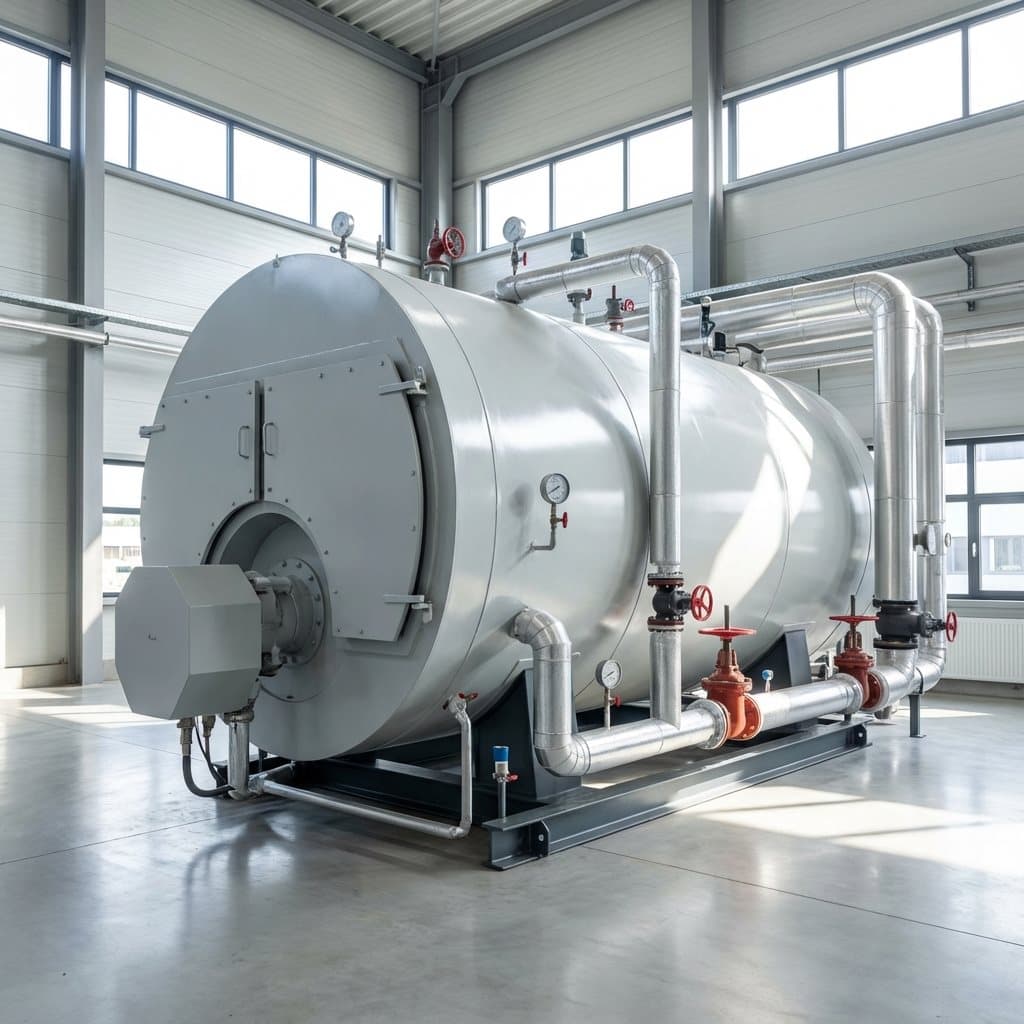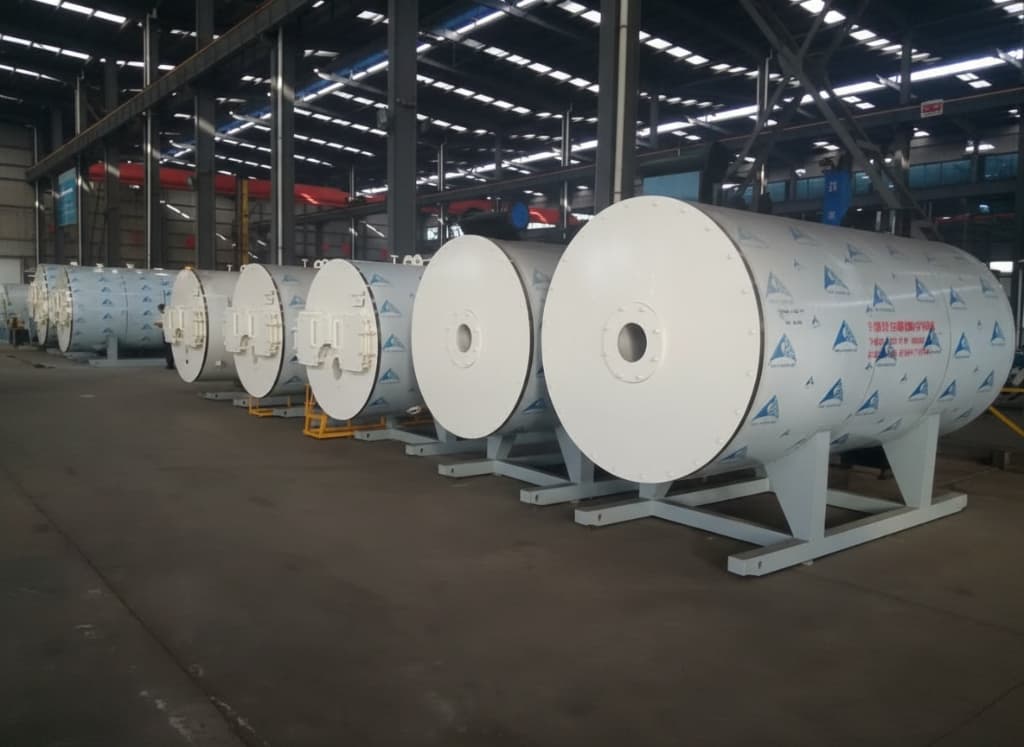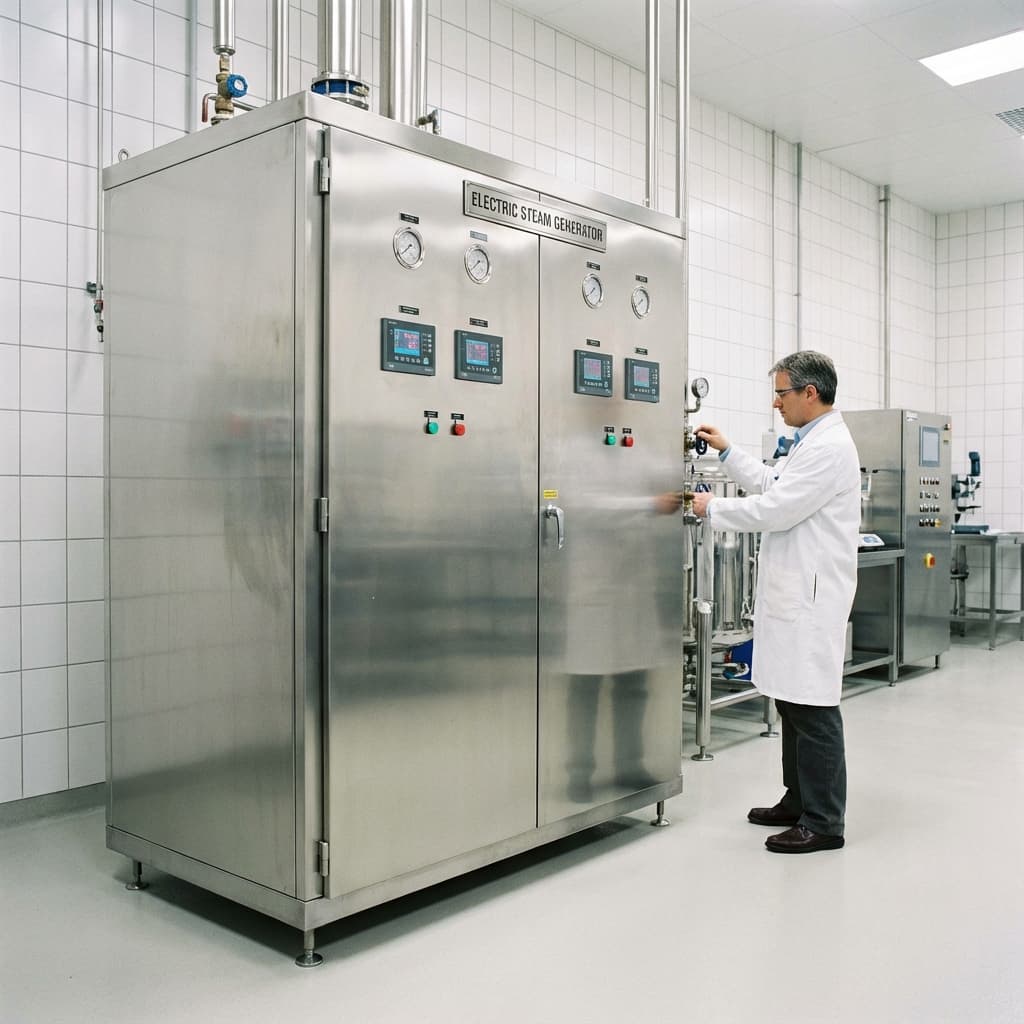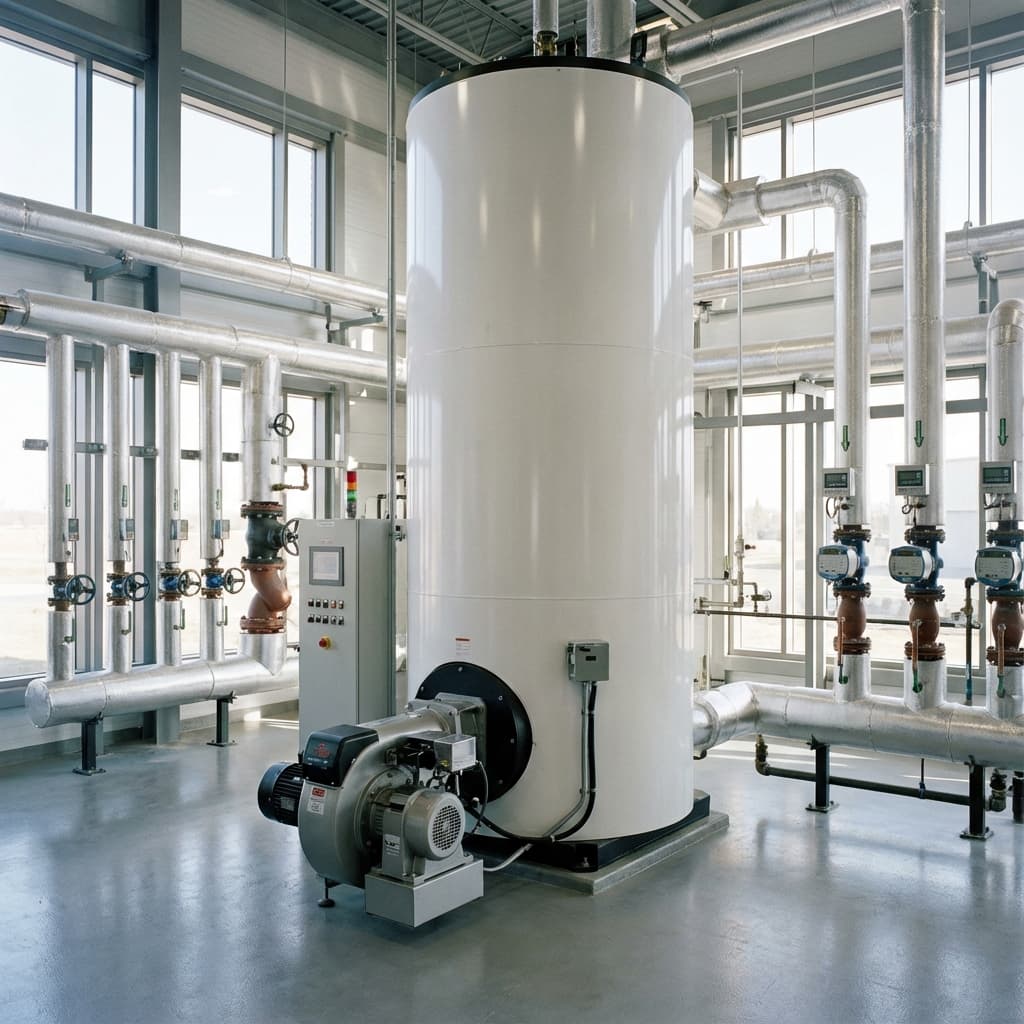
The useful question is not which name sounds more efficient. It is which proposed steam system can supply your process at the required pressure and quality throughout a working day. Suppliers use "steam generator" for different designs, so compare the actual equipment data and operating conditions.
Start with a daily load profile
Record demand during cold start-up, normal production, short peaks, breaks and shutdown. Add the duration of each period. A continuous production line and a batch process may have the same peak kg/h but very different daily requirements. Include the pressure needed at each steam user and identify loads that must remain available during maintenance.
For an early comparison, prepare two scenarios: one proposed central boiler and a proposed generator arrangement. Ask both suppliers to use the same peak demand, daily operating hours, feedwater condition and process pressure. Do not compare one proposal at the boiler outlet with another at a distant machine.
Evaluate the complete design
- Start-up: ask for time to useful steam from the stated initial condition, not just the time until the burner starts.
- Load response: describe the largest expected demand change and ask how pressure and steam quality will be maintained.
- Low demand: request the minimum stable operating load and the proposed response during production breaks.
- Multiple units: identify the control sequence, isolation arrangements and the output remaining when one unit is unavailable.
- Service access: check space for maintenance, not only the equipment footprint.
A compact unit may suit a dedicated point of use, while a central installation may suit several nearby users. Neither arrangement removes the need to assess distribution, drainage, water supply, electrical capacity and maintenance. Compare the installed system using the plant layout and actual shift pattern.
Keep water and steam quality in the comparison
Request feedwater requirements for the exact model. Include treatment equipment, testing, consumables and blowdown arrangements in each proposal. For direct product contact or a specified clean-steam application, describe that requirement explicitly; ordinary industrial steam equipment should not be assumed to provide a separately qualified steam quality.
Compare operating cost under the same assumptions
Ask for the fuel or electricity required for an agreed production day, with standby periods and auxiliary loads stated. Include local tariffs, water treatment and planned servicing in your comparison. Do not turn a maximum catalogue efficiency or a general fast-start claim into a guaranteed annual saving.
Does a generator avoid local inspection?
Do not use the sales name to answer this question. Ask for the vessel volume, design pressure, heating method and technical file, then confirm the destination requirements with the responsible local party. Record which certificates and inspections are included in the supply contract.
Compare our steam boilers with steam generators. For an electrical option, use the electric steam generator checklist. Send your shift schedule and steam-user list with an enquiry so the proposal can address your actual process.